

2026 Artists
SCI_ART BC 2026 brings together artists, scientists, researchers, and cultural practitioners from Canada and Europe to explore how art can help us understand and imagine our changing world. Under the theme After the Data / Cultural Climate Futures, the festival explores climate systems, ecological change, emerging technologies, and Northern research through immersive, embodied, and critically engaged artistic practices. From biotechnology and microbial ecologies to AI, photography, mixed reality, and more-than-human intelligence, the participating artists use art not simply to represent complex systems, but as a form of research, experimentation, and inquiry. Taking place across Vancouver and Kelowna from October 1–8, 2026, SCI_ART creates a space where artistic and scientific knowledge meet—opening new conversations about how we sense, interpret, and collectively imagine the futures ahead.
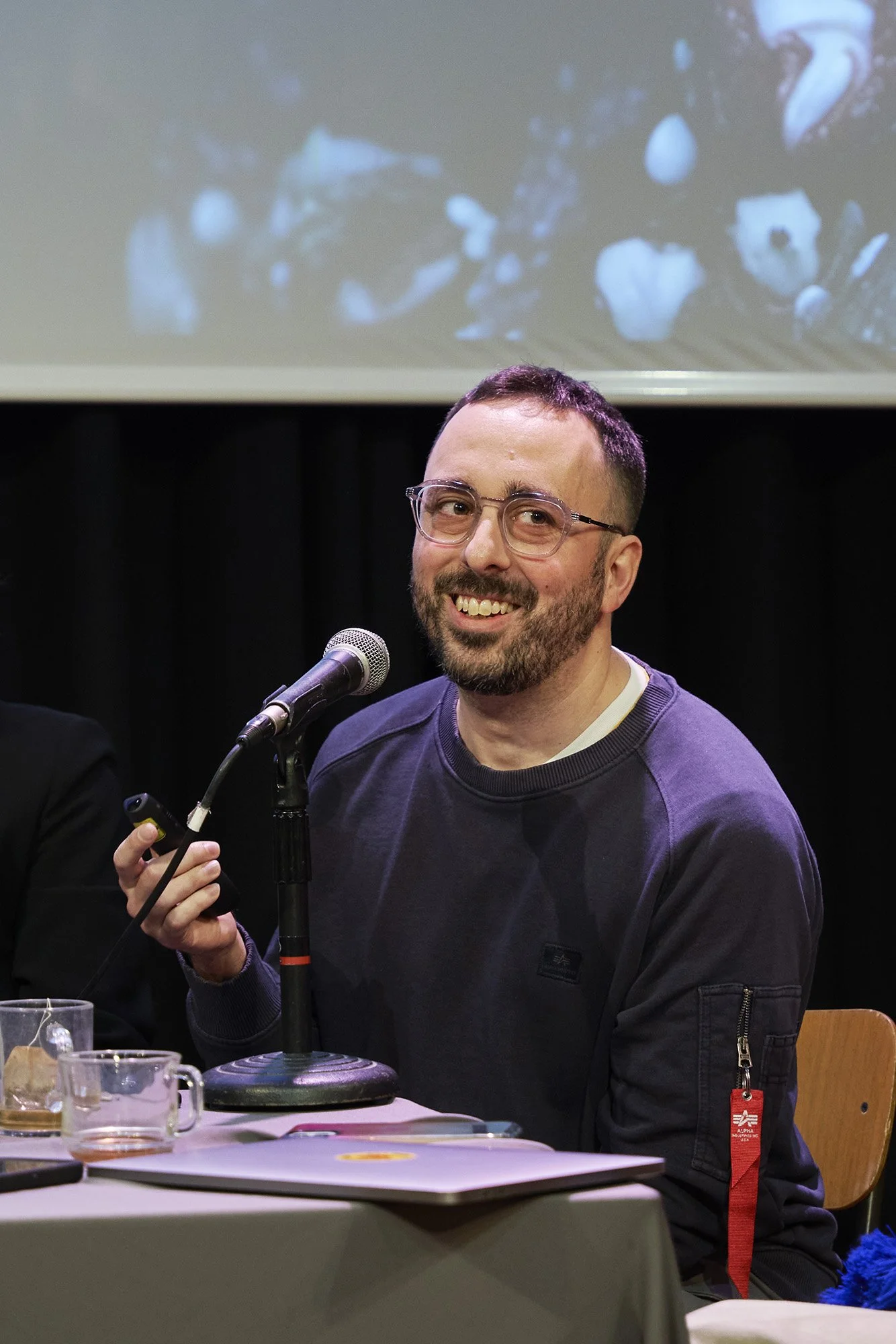
Carlo De Gaetano (Italy/Netherlands) is an artist-researcher and information designer working with the Visual Methodologies Collective at the Amsterdam University of Applied Sciences. He is pursuing a Professional Doctorate through Rising Tides, Shifting Imaginaries: Participatory Climate Fiction-making with Cultural Collections. His practice uses archival and online audiovisual materials, speculative storytelling, and participatory workshops to examine Dutch waters and their ecosystems. By activating cultural collections through collaborative fiction-making, he invites participants to imagine alternative ways of living with water and more-than-human beings in a changing climate.
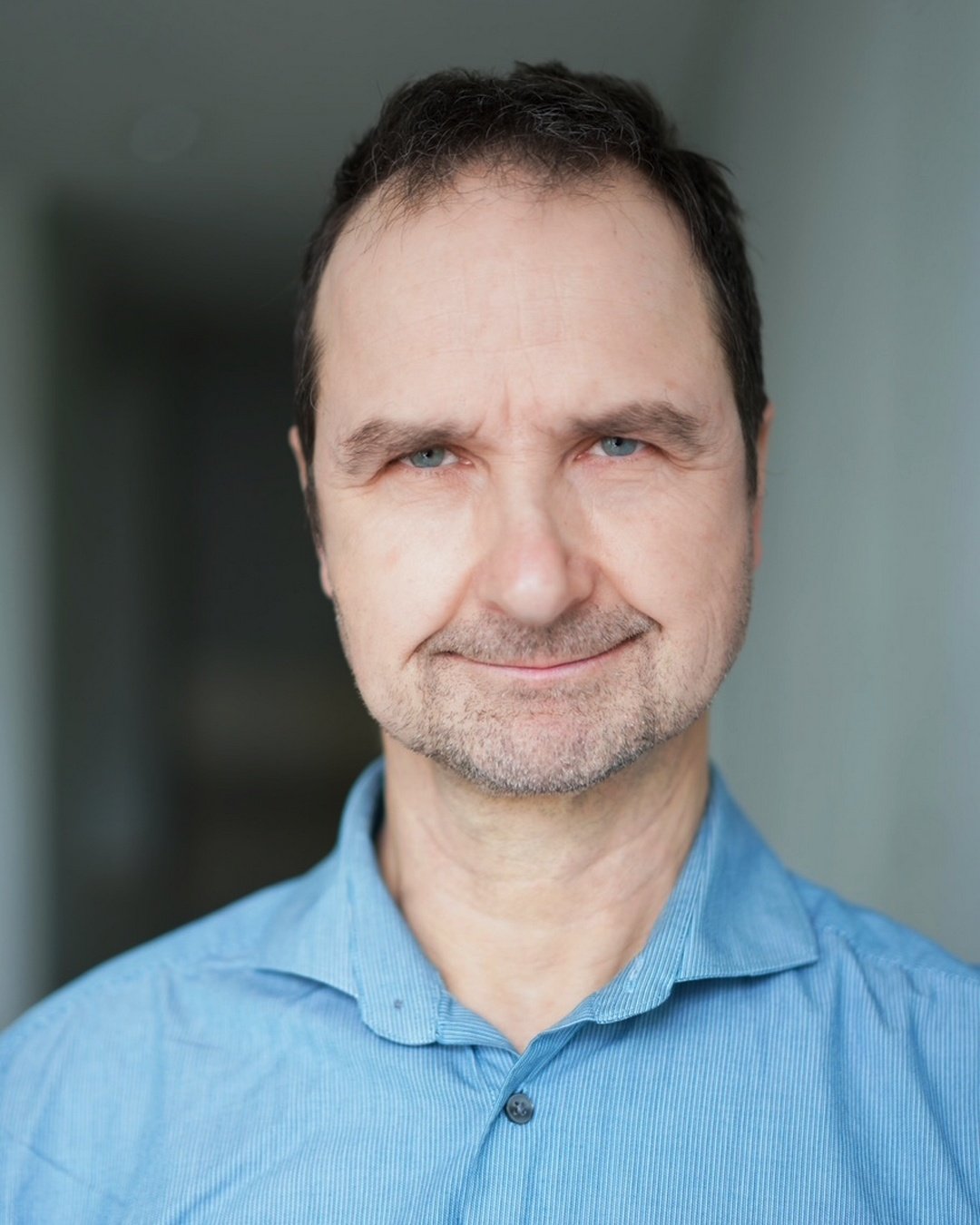
Ernst Logar (Austria) is a Vienna-based interdisciplinary artist working with photography, film, video, sound, sculpture, and installation. His practice examines power structures and historical, sociocultural, and ecological phenomena. From 2019 to 2025, he led Reflecting Oil, an artistic research project at the University of Applied Arts Vienna exploring crude oil and the conditions of petromodernity in collaboration with scientists and international researchers. His wider body of work includes Invisible Oil, Oil and Water, Place of Unrest, and The End of Remembering - Carinthian Partisans.
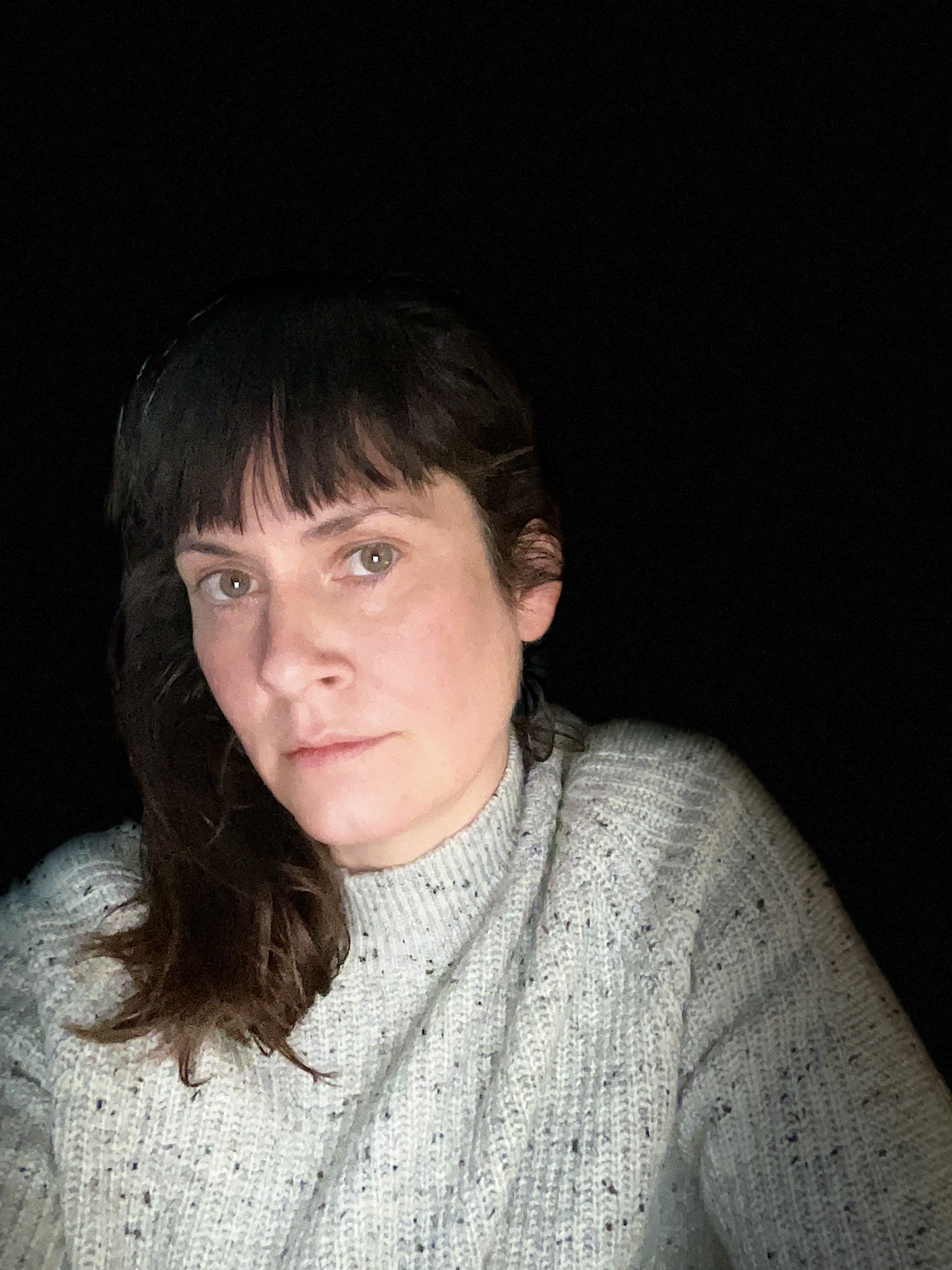
Dr Kelly Jaclynn Andres (Canada) is an interdisciplinary artist, curator, and researcher based between Edmonton and rural central Alberta. Her practice brings living systems, environmental sensing, speculative design, sound, and machine learning into dialogue with embodied attention. She holds a PhD in Interdisciplinary Humanities from Concordia University, where her research examined multispecies companionship, plant intelligence, feminist posthumanism, and post-anthropocentric aesthetics. Recent projects include You, Me, the Lichen and Spore, developed through the MUTEK AI Ecologies Lab, and Latent Swamp, an exploration of duckweed, wetlands, food futures, and AI-generated image ecologies.
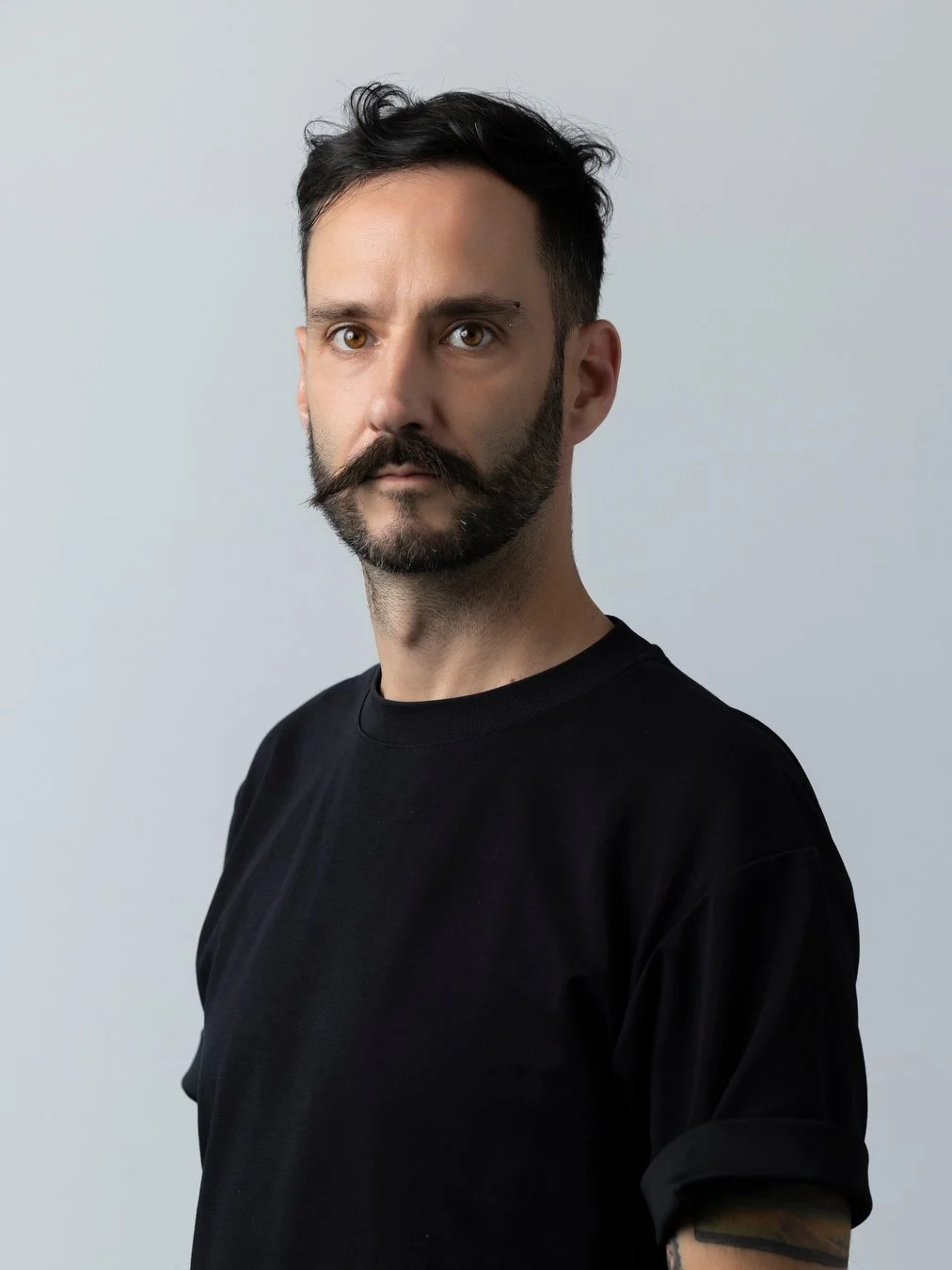
Matjaž Tančič (Slovenia) is a lens-based artist working between China and Slovenia, whose practice moves between documentary, portrait, and art photography. Best known for experimental 3D stereography, he has presented work in more than 100 exhibitions, including Somerset House, the Venice Architecture Biennale, and photography festivals in Hong Kong, Lianzhou, and Vevey. His project Before Mars documents the scientists, engineers, farmers, architects, and others preparing for human life beyond Earth. Recipient of a Sony World Photography Award, Tančič has published three photobooks with Jiazazhi Press.
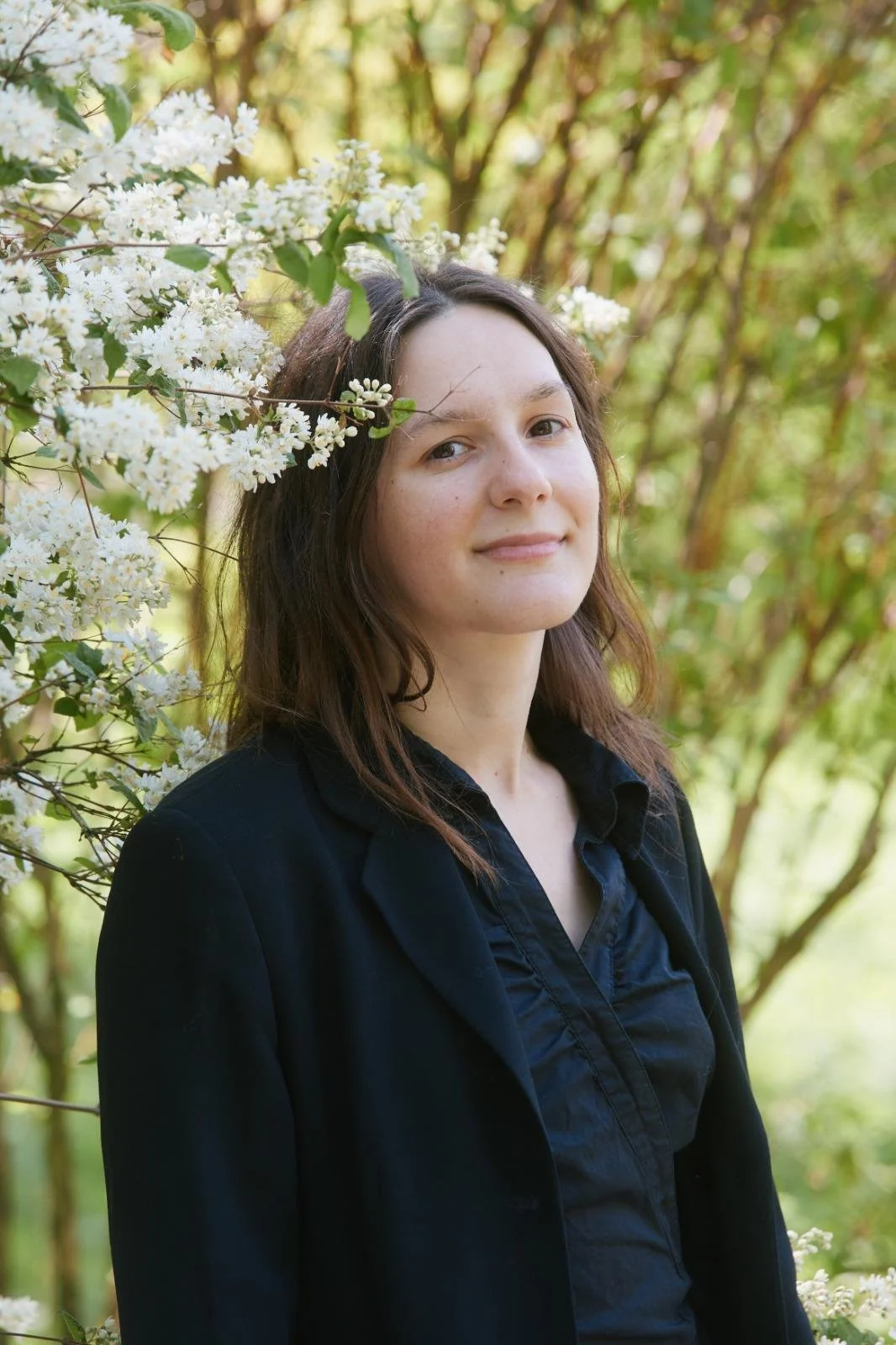
Manuela Pauk (Croatia) Manuela Pauk is a Croatian sculptor whose practice explores living organisms, ecological systems, and relationships between material forms and overlooked forms of life. She graduated in Sculpture from the Academy of Fine Arts in Zagreb in 2018 and has presented work through solo exhibitions, group exhibitions, and artist residencies in Croatia and internationally. Her projects include Plastic Sea Turtle, Tardigrade, and Life Goes On, a collaboration with Matija Vigato staged simultaneously in the botanical gardens of Zagreb and Warsaw. Her work uses sculpture, choreography, and site specific installation to examine scale, ecological interconnectedness, and shared environments.
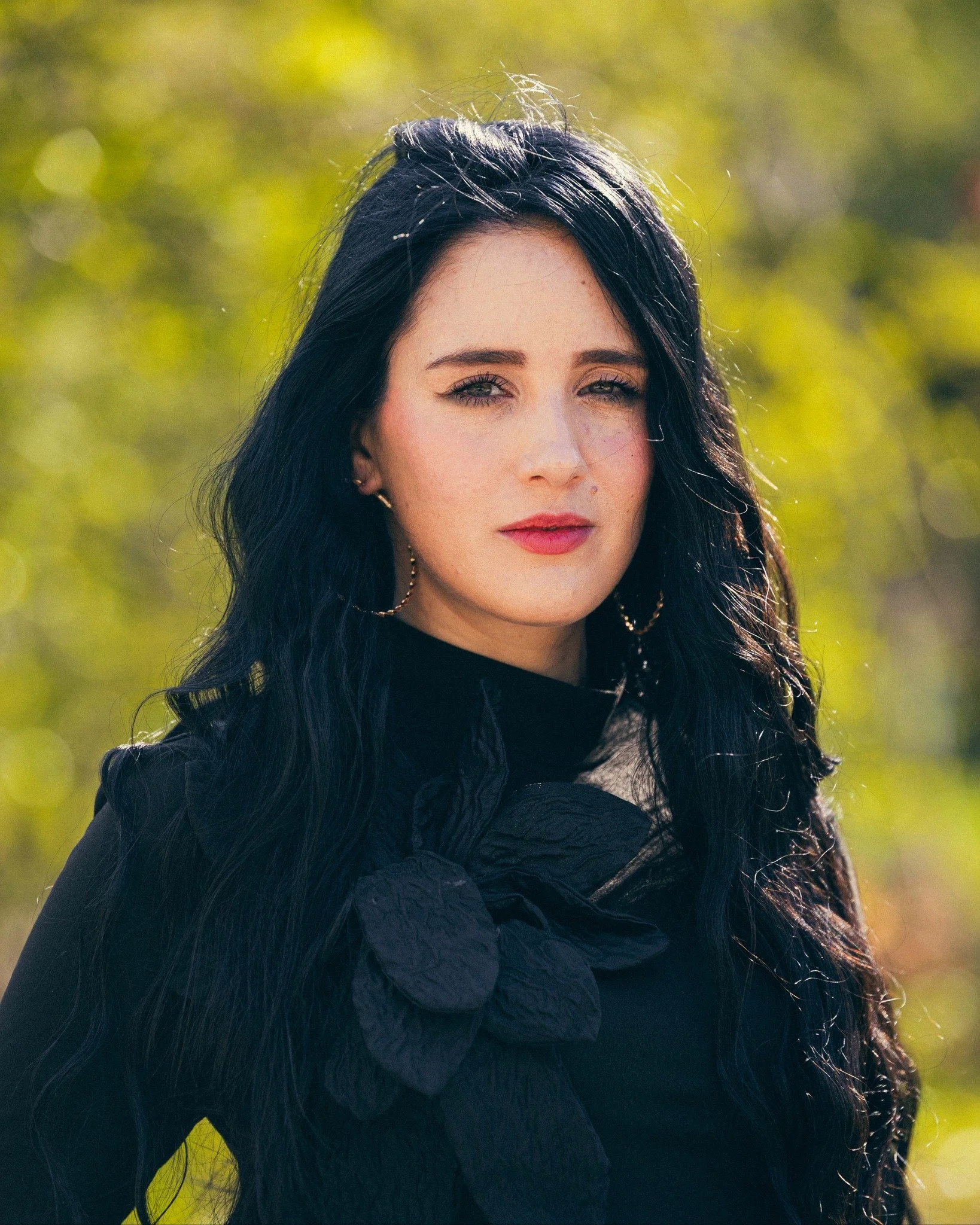
Dr Matija Vigato (Croatia) Dr Matija Vigato is a Croatian philosopher, game designer, and researcher at the University of Zagreb. She is also pursuing a master's degree in Computer Engineering with a specialization in Game Development. Her research spans metaphysics, philosophy of mind, postphenomenology, bioethics, interactive media, and the ontology of virtual worlds, with particular attention to how technologies shape perception and mediate encounters with more than human worlds. A former Research Fellow at the University of Oxford, she has also conducted research in Malta, Graz, and Warsaw. She edited Bioethics, Art and Media and received the Google Generation Scholarship for Women in Gaming.
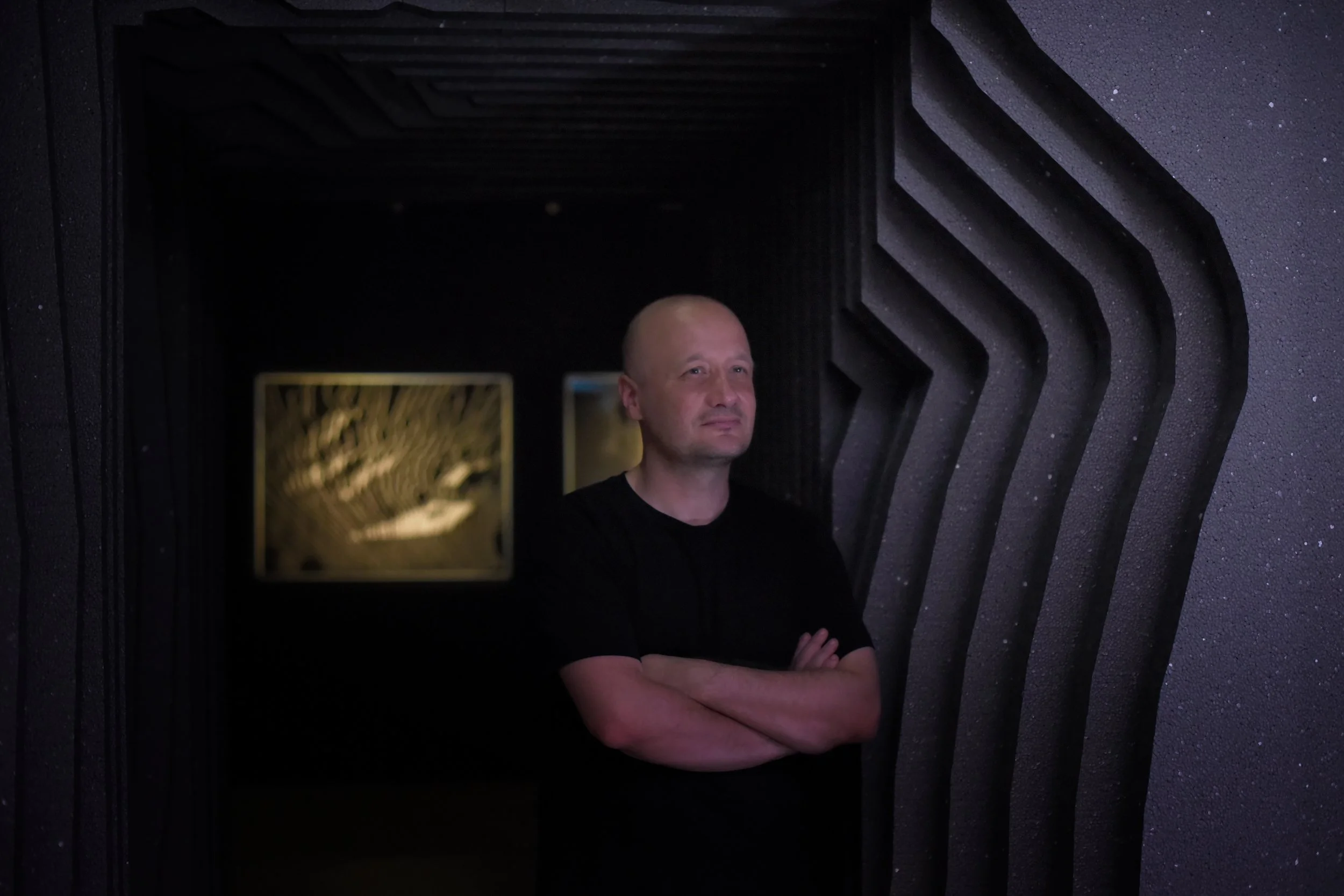
Paweł Janicki (Poland) is an artist and curator at WRO Art Center whose practice draws on music, contemporary and media art, and posthumanist approaches. Working across programming, synthetic sensing, cognitive technologies, and spatial and material engineering, he constructs experimental forms that differ from established media categories. Historical and contemporary contexts play a central role in his work, particularly the histories of art, technology, and ways of thinking. His practice treats technical systems as cultural materials through which perception, interaction, and knowledge can be reorganized.

Serena Marija Akram (Malta) is a transdisciplinary STEM researcher, new media artist, technologist, and Founder and Director of Sanctuary of Creation, a deep-tech research and innovation lab. Her practice translates environmental and physiological data into therapeutic immersive environments informed by neuroaesthetics. She is an Art & AI Fellow at Salzburg Global Seminar and was selected for UK Research and Innovation's Health & Care Innovations Ignite Labs Programme. Her projects include Lumen Bloom, Resonant Morphologies, and a paediatric arts initiative developed with Creative Health Malta.
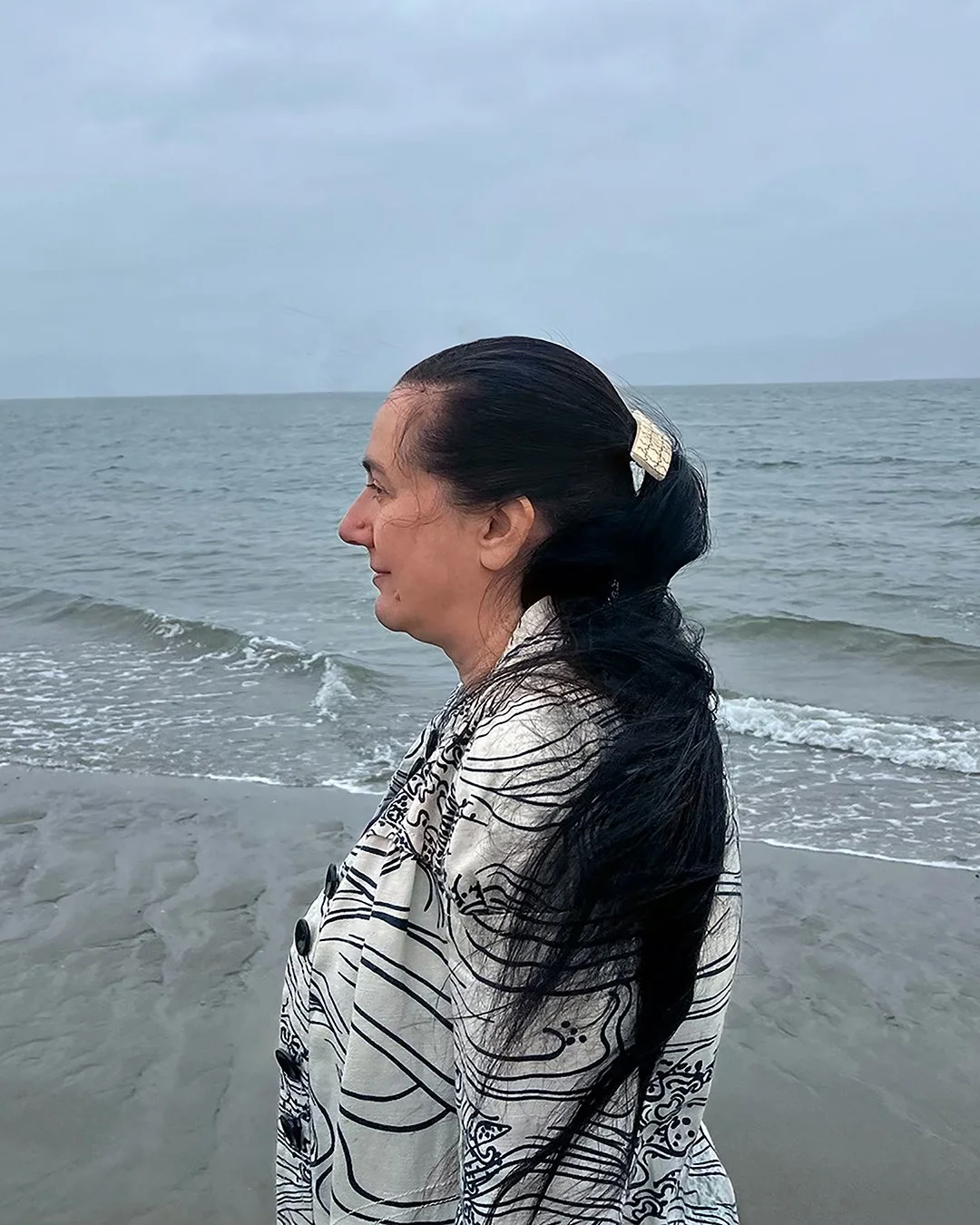
Sylvia Grace Borda (Canada) is a media artist working at the intersection of regenerative contemporary art and public engagement. Her projects use immersive and networked media to explore place, ecology, and community narrative. She received a Mozilla Rise25 Award (2023), the Lumen Prize (2016), and recognition from the Falling Walls Foundation (2022) for her contributions to climate art. For COP26, she adapted Google Earth technology to co-produce satellite-observable living artworks with communities in Ethiopia. Borda holds an MFA from UBC and a BFA from Emily Carr University of Art and Design.
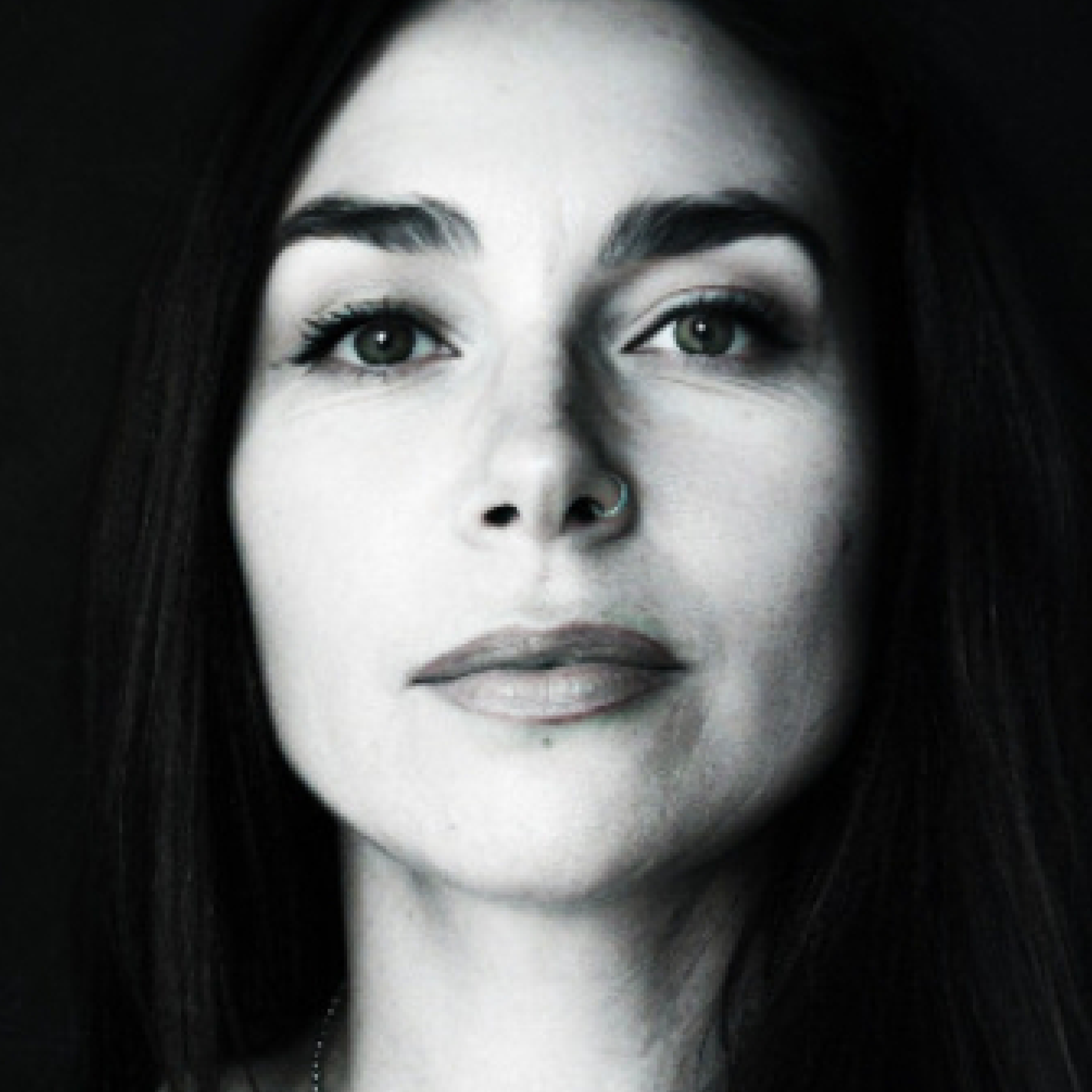
Dr WhiteFeather Hunter (Canada) is a Canadian bioartist, researcher, and educator working across feminist technoscience, microbiology, speculative biodesign, and expanded textile practices. She is a SSHRC Postdoctoral Research Fellow at Simon Fraser University's Critical Media Art Studio. Her laboratory-based practice combines microbial culture, microscopy, biomaterials, installation, performance, and speculative media to explore bodily systems, ecological entanglement, reproductive biotechnology, and more-than-human coexistence. Hunter holds a PhD in Biological Art from SymbioticA at the University of Western Australia and an MFA in Fibres and Material Practices from Concordia University.